In today’s digital-first economy, software is no longer just a tool — it is the foundation of how businesses operate, scale, and compete. Whether you’re launching a new web platform, rolling out a mobile application, or investing in custom ai software development, one factor determines success more than anything else: quality.
That is why Quality assurance (QA) is not just a testing phase — it is a strategic discipline that protects your investment, your customers, and your brand.
From startups partnering with a custom software development agency to enterprises working with a web application development company, QA ensures software delivers what it promises: reliability, security, and scalability.
Quality Assurance Builds Reliability From the Ground Up
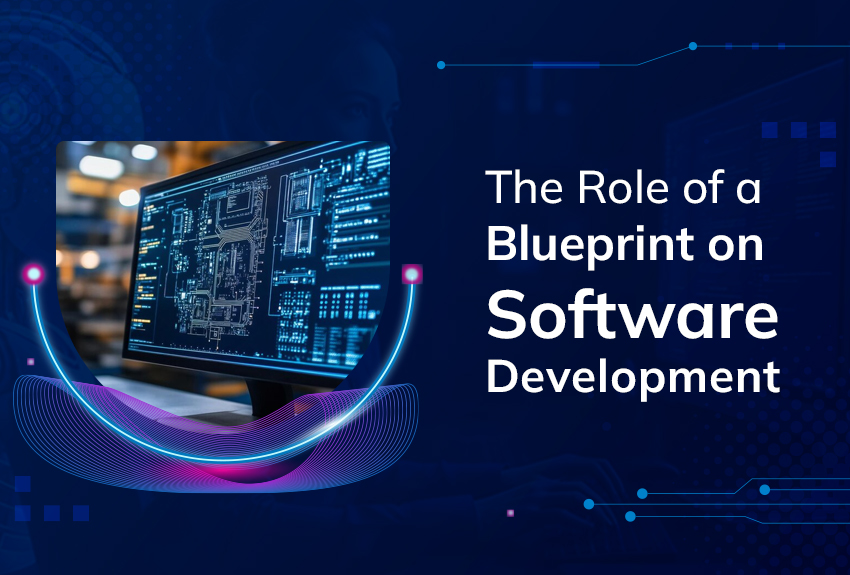
Every software product begins with a plan. The Role of a Blueprint in Software Development is to clearly define how features, workflows, and integrations should behave. But even the best blueprint needs validation.
Quality assurance turns that blueprint into reality by continuously checking that the software matches business goals, technical requirements, and user expectations.
According to the Consortium for IT Software Quality (CISQ), poor software quality costs organizations more than $2.4 trillion annually in wasted resources, downtime, and rework. Many of these losses come from issues that could have been prevented through structured QA.
Whether you are building enterprise platforms through custom business software development or launching a customer-facing product via a custom web application development company, QA ensures:
- Features behave as expected
- Workflows remain consistent
- New updates do not break existing functionality
Reliability builds trust — and trust drives long-term growth.
Reliability Is What Users Remember
Customers rarely remember good software — but they always remember broken software. Slow pages, crashes, missing data, and failed transactions are the fastest ways to lose trust.
QA protects reliability by validating:
- Core user journeys
- Error handling
- Data processing
- Performance across browsers and devices
For companies launching platforms through a web application development company or building internal systems through custom development, this reliability determines whether users adopt the software or abandon it.
In competitive digital markets, reliability is not a technical metric — it is a brand experience.
Security: A Critical Part of Quality
As applications become more connected and data-driven, security risks grow. The global cost of cybercrime is expected to exceed $10 trillion per year by 2027, driven by vulnerabilities in software, APIs, and cloud platforms.
Quality assurance plays a major role in reducing that risk. Modern testing includes security validation for:
- Authentication systems
- Data encryption
- API endpoints
- Input validation
This is especially important when organizations use artificial intelligence development services, where sensitive data and automated decision-making intersect. A single vulnerability can expose not just systems, but customers, finances, and reputation.
Security is no longer something added later — it is a core quality metric.
Scalability Is Proven Through Testing
Many products work well when they are small. The real challenge begins when usage grows.
QA uses performance, load, and stress testing to ensure that software can handle:
- Spikes in traffic
- Large datasets
- High transaction volumes
- Multiple users working simultaneously
This matters whether you are running an e-commerce site, a SaaS platform, or a data-driven product that might gain visibility through ranking in AI tools or search engines.
Without this testing, growth itself can become a breaking point.
Why QA Saves More Money Than It Costs
One of the biggest myths in software development is that testing slows things down. In reality, QA saves time and money by catching problems before they become expensive.
IBM research shows that fixing a defect after deployment costs up to 15 times more than fixing it during development. That includes:
- Engineering time
- Customer support
- Reputation damage
- Lost conversions
For businesses investing in custom app development or enterprise platforms, QA acts as insurance against these hidden costs.
Every test run prevents downtime, lost users, and emergency fixes — all of which protect revenue.
QA and AI: Ensuring Smart Systems Stay Trustworthy
The rise of Machine learning and AI-driven platforms has transformed how software is built. But AI systems are only as good as the data, models, and workflows behind them.
QA in Custom AI Software Development focuses on:
- Data accuracy
- Model behavior
- Prediction consistency
- Bias detection
- Integration with live systems
With the growing adoption of next-generation AI platforms, QA plays a critical role in keeping automated systems trustworthy and consistent.
Without QA, even the most advanced AI can produce flawed outcomes — putting business decisions and user trust at risk.
Mobile Apps Demand Specialized QA
Mobile users are unforgiving. One crash, one slow screen, or one broken form can lead to uninstallations and negative reviews.
That is why the fundamentals of mobile app testing are critical for every business working with a custom mobile app development agency.
QA for mobile apps covers:
- Device compatibility
- OS version testing
- Performance under poor network conditions
- Touch responsiveness
- Security of user data
With over 6.8 billion smartphone users worldwide, mobile app quality is not optional — it is a growth requirement.
QA Improves Digital Performance and SEO Outcomes
QA doesn’t just help developers — it helps marketers too.
A slow website, broken checkout flow, or buggy form directly impacts conversion rates and SEO performance. This is why leading digital marketing agencies and every SEO company must treat quality assurance as a core part of their optimization strategy.
QA ensures:
- Pages load quickly
- Navigation works properly
- Tracking scripts fire correctly
- Forms submit without errors
Accurate Conversion tracking in GA4 depends on properly tested, bug-free software. Without quality assurance, tracking failures can distort performance data and cause costly marketing mistakes.
Quality software supports better rankings, better insights, and better ROI.
QA and APIs: Keeping Digital Ecosystems Connected
Modern software depends heavily on APIs. Payment systems, CRMs, mobile apps, and AI engines all communicate through APIs.
According to Postman’s 2024 State of APIs report, over 83% of companies depend on APIs for core business operations.
QA ensures that API Development is reliable by testing:
- Response accuracy
- Error handling
- Security tokens
- Load performance
- Data integrity
For modern API development, QA is what prevents invisible failures, because without proper API testing, even the best-built applications can fail silently and disrupt entire digital ecosystems.
DevOps and QA: Building Continuous Quality
With modern CI/CD pipelines, software updates are deployed faster than ever. That speed makes QA more important, not less.
Through Devops Consulting Services, QA becomes part of automated workflows that:
- Test every code change
- Validate performance
- Check security
- Prevent broken deployments
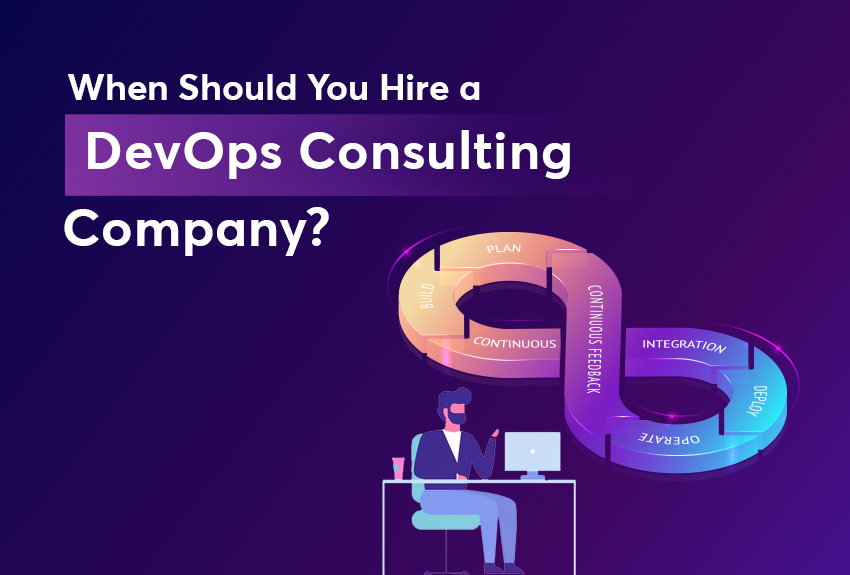
This ensures that rapid innovation does not come at the cost of stability, especially when guided by an experienced DevOps consulting company that embeds quality into every stage of delivery.
Conclusion: QA Is What Turns Software Into a Business Asset
Quality assurance is no longer a support function — it is a business strategy.
Whether you are launching a platform through a web application development company, scaling with custom business software development, or building intelligent systems with artificial intelligence development services, QA ensures that what you deliver is:
- Reliable
- Secure
- Scalable
- Trusted
In a world where users have endless choices and zero patience for failure, quality is the true competitive advantage. Software that works well builds loyalty. Software that works securely builds trust. Software that scales builds growth. And it all starts with QA.
At OpenSource Technologies (OST), QA is treated as an essential part of the development lifecycle. Our quality assurance services are designed to support modern web, mobile, and AI-driven applications by combining structured testing, automation, and continuous validation. This approach helps ensure that every release meets high standards for performance, security, and reliability—so businesses can grow with confidence as their software evolves.